
When we talk about “work-life balance,” what do we really mean? The phrase suggests that work is one thing and life is another, as though the hours we spend being productive somehow don’t count as living. But isn’t that a strange way to think about our days? After all, the time we spend “working” is still our life. It’s still you, breathing, moving, relating to the world.
I often ask: why do we use the word “work” with such heaviness? For many of us, the word is coloured by pressure, deadlines, and the belief that effort must be uncomfortable. We carry the assumption that productivity equals stress, that contribution equals sacrifice. Yet if we pause and look closely, we see that “work” is not inherently negative — it is simply the act of being engaged, of applying ourselves. Writing an email, planting a garden, cooking dinner, holding a meeting — these are all forms of doing, and doing is not the enemy.
The challenge is not work itself, but our relationship to it. When our state of mind is unsettled, we experience tasks as stressful, draining, and something to escape from. This is when we start to crave holidays or downtime, not because we need rest in the body but because our minds are exhausted from fighting the experience of life. But when our state of mind is steady, calm, and centred, then the very same tasks can feel effortless. Productivity flows naturally, and instead of feeling like we’re pushing against the grain, we are simply living — whether we’re answering emails, washing the dishes, or lying in savasana.
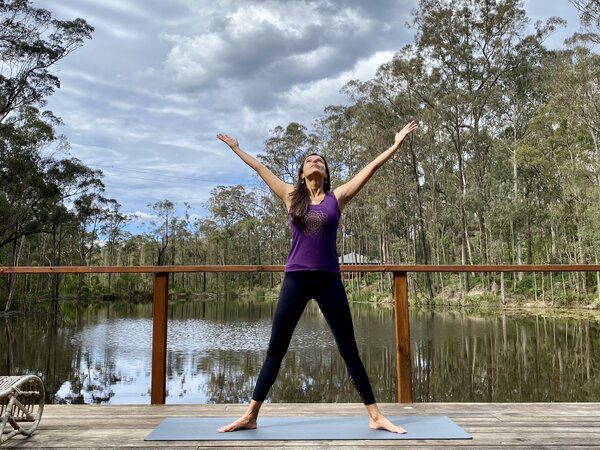
This is the heart of mindfulness practice: learning to notice the state of mind we bring to each moment, and gently shifting from reactivity to presence. Through yoga, meditation, and mindful awareness, we start to untangle the story that “work” is something separate from life, something we must endure to earn our relaxation later. Instead, we discover that both productivity and rest can arise from the same source of inner balance.
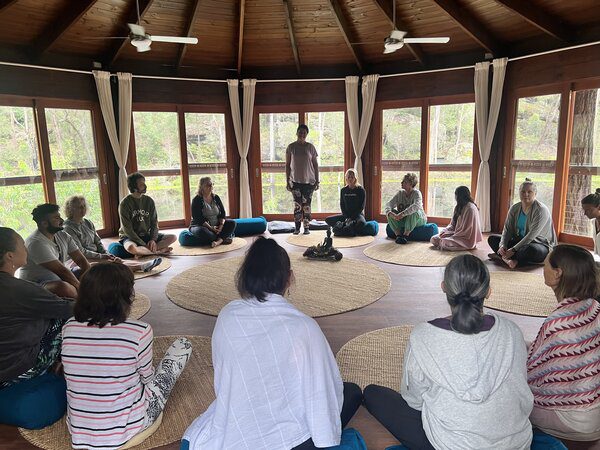
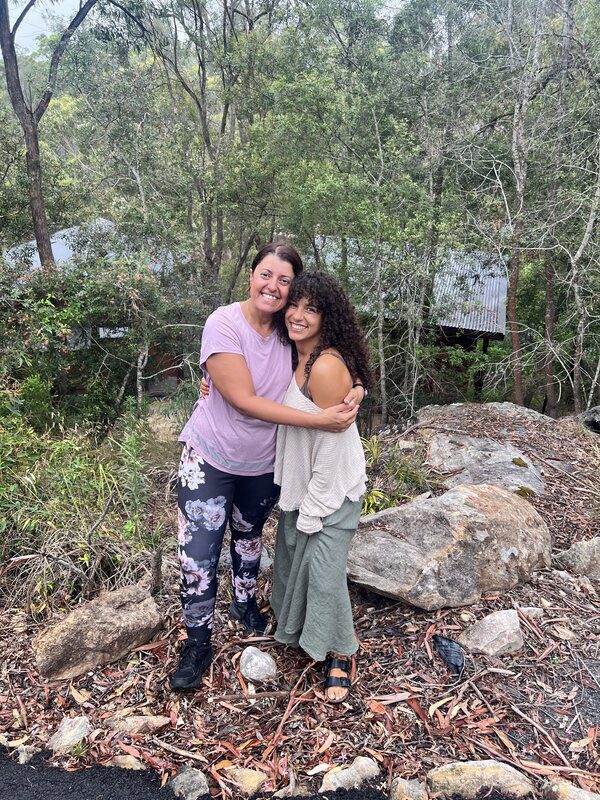
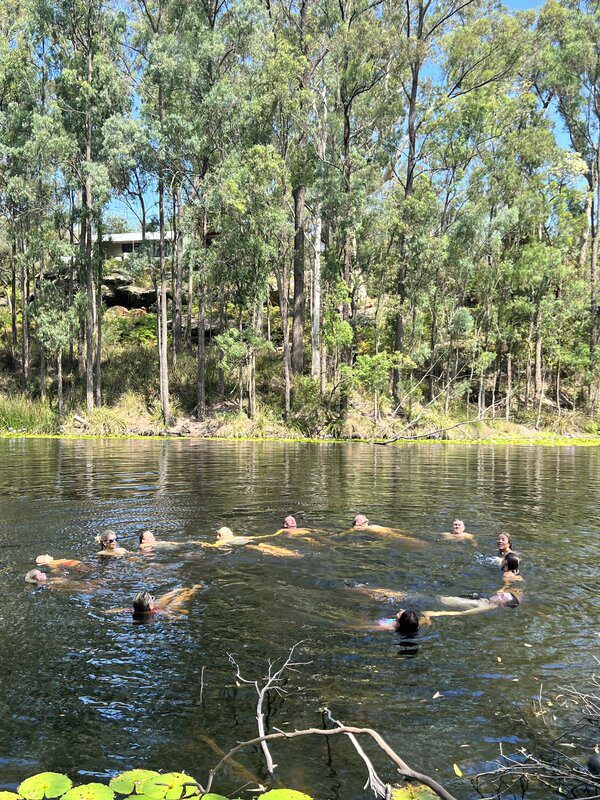
At Billabong Retreat, many of our guests arrive feeling worn down by the pressures of work. They speak of being “out of balance,” of living for their next holiday, of needing a total escape. But what they often discover here is that balance is not a destination — it is a practice. By slowing down, breathing deeply, moving mindfully, and observing thoughts without judgement, they begin to feel how much of their suffering was not caused by work itself, but by the way they were relating to it.
The real invitation, then, is not to create a perfect 50/50 balance between “work” and “life,” but to dissolve that division altogether. Life is happening now — in your work, in your play, in your rest. When you cultivate mindfulness, you no longer need to escape from one part of life into another. You learn to carry the same calm, steady presence into everything you do. And in that shift, balance stops being something you chase. It becomes the way you live.
Paul x
www.paulvonbergen.com
“Life is not in the way, life is the way” Paul von Bergen